
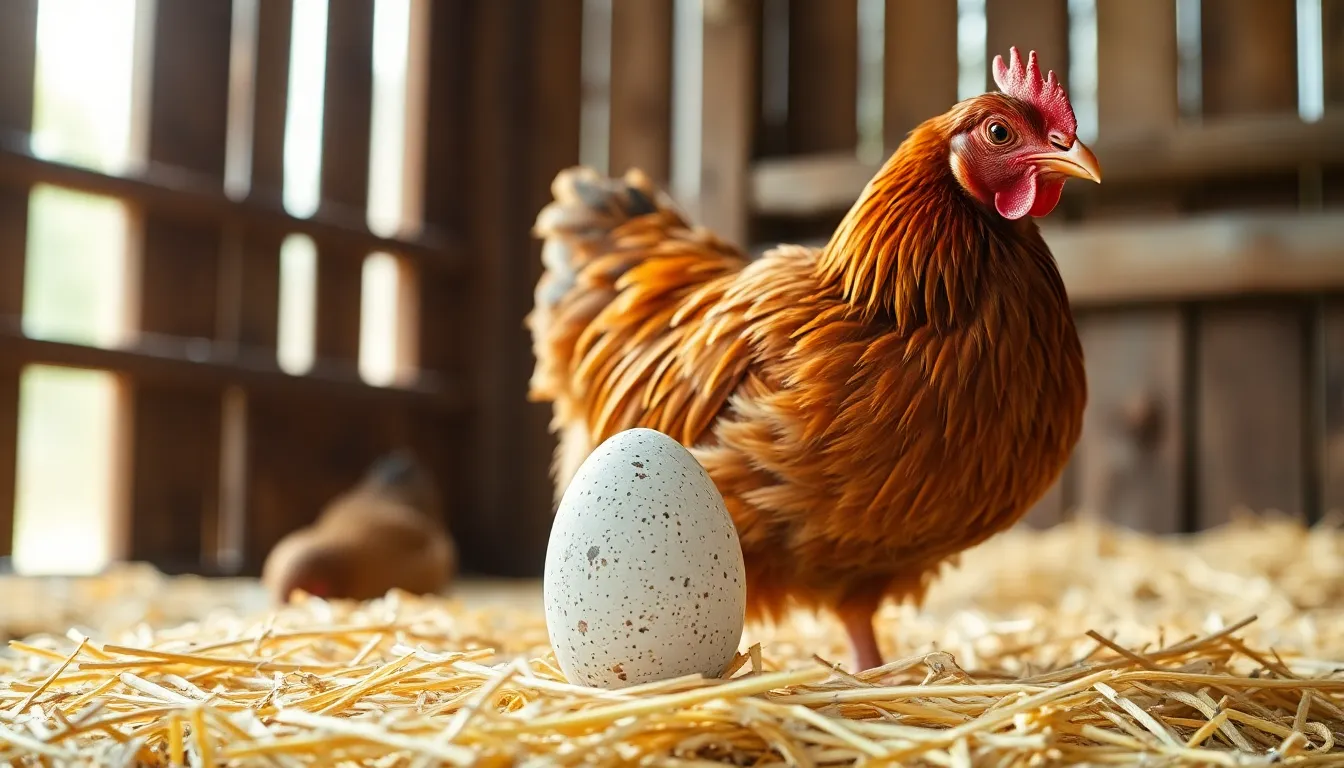
The age-old question of which came first—the chicken or the egg—has puzzled minds for centuries. It’s a classic conundrum that’s sparked debates in kitchens, classrooms, and even among philosophers. While some might argue it’s a simple matter of biology, others find themselves caught in a delightful loop of speculation.
The Chicken or The Egg Dilemma
The debate over which came first, the chicken or the egg, invites curiosity and speculation. This ongoing discussion touches on historical, cultural, and scientific perspectives.
Historical Background
Ancient philosophers pondered this question, providing various insights. Aristotle believed that both the chicken and the egg existed simultaneously, viewing the dilemma as a circular cause and consequence. In the 17th century, William of Occam contributed through his principle of parsimony, suggesting that the egg must precede the chicken for simplicity. Early scientific thoughts often revolved around creation myths and explanations that showcased the egg as a precursor to avian life. Iconic references throughout history affirm the dilemma’s long-standing presence in human thought.
Cultural Significance
This conundrum holds a prominent place in global culture, representing the paradox of origins. Many societies incorporate the chicken and egg debate into folklore, highlighting its relevance in philosophical discussions. Additionally, the phrase “chicken or egg” often serves as a metaphor for indecision in modern language, illustrating uncertainty in relationships and choices. This idea resonates widely, appearing in literature, art, and even popular media, where it elicits contemplation on origins and causation. The cultural significance of the chicken or egg dilemma spans generations, drawing interest from diverse audiences.
Scientific Perspectives
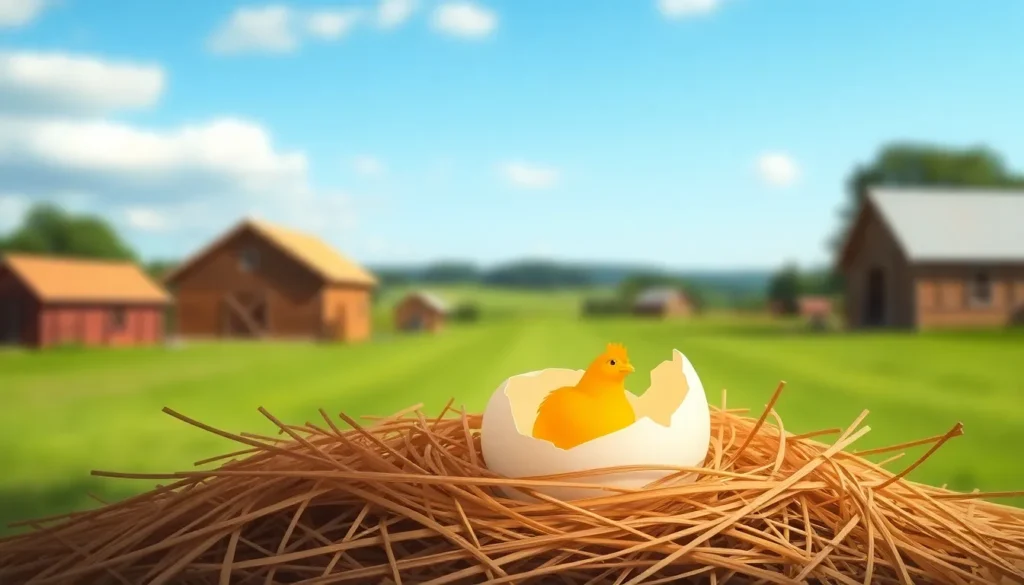
Various scientific fields offer insights into whether the chicken or the egg came first. This inquiry involves evolutionary biology and genetics, each providing a unique lens for understanding this age-old question.
Evolutionary Biology
Evolutionary biology suggests that birds, including chickens, descended from reptilian ancestors. The earliest eggs existed long before chickens emerged, laying the groundwork for various species evolution. Genetic mutations in the reproductive process contributed to the formation of the first true chicken from a non-chicken ancestor. This indicates that the egg came before the chicken, as genetic changes occurred within the egg, leading to the new species. Thus, in the context of evolutionary development, the egg stands as a pivotal element in species transition.
Genetics and Embryology
Genetics and embryology focus on the role of DNA in the development of new organisms. A chicken’s genetic material carries the traits that define its species. Mutations can lead to new traits, which often occur during embryonic development within the egg. This highlights that the first true chicken likely emerged from an egg laid by a bird that was not quite a chicken but had genetic similarities. Given this, the argument supports the notion that the egg must precede the chicken in the evolutionary timeline due to the process of gene modification during embryo formation.
Philosophical Implications
The chicken or egg debate raises profound questions about causality and existence. This inquiry challenges perceptions of life origins and prompts deep reflection.
Causality and Existence
Causality links the chicken and egg in continuous cycles of life. Understanding which came first offers insights into broader existential queries. Many consider the chicken a product of the egg, new life emerging from parental sources. Yet, this perspective leads back to the original question: what gave rise to the egg? Speculative thoughts often explore whether existence is governed by linear timelines or cyclical patterns. Each viewpoint encourages reflection on the relationship between cause and effect.
Perspectives from Different Philosophers
Philosophical views on the chicken or egg dilemma differ across thinkers. Aristotle posited the question as circular, suggesting both exist as a part of a never-ending cycle. His reasoning initiated discussions about interconnectedness in causality. In contrast, William of Occam approached the issue with simplicity in mind, favoring the egg’s precedence. Modern philosophers contribute by framing this debate within existentialism and metaphysics, exploring human perceptions of beginnings. Engaging with these diverse perspectives enriches the philosophical landscape of the conundrum.
Modern Interpretations
This section explores contemporary views on the chicken or egg debate, reflecting how it permeates various aspects of modern life.
Popular Culture References
Media often uses the chicken or egg dilemma to symbolize indecision and cyclical challenges. In films and television shows, characters frequently reference this question to illustrate conflicts or uncertainties. Additionally, memes have sprung up across social media platforms, addressing the conundrum humorously and engagingly. Songs and literature also incorporate the theme, inviting audiences to contemplate life’s mysteries. This cultural prevalence reinforces its significance in discussions about origins and choice.
Scientific Discoveries
Recent scientific findings support the idea that the egg preceded the chicken. Researchers in evolutionary biology affirm that birds evolved from reptiles, establishing that eggs existed long before chickens. Genetic studies reveal how mutations in ancestral species contributed to what we recognize as chickens today. Embryological research shows that the first true chicken emerged from an egg laid by a nearly identical, non-chicken ancestor. These discoveries strengthen the concept that the egg holds a key place in the evolutionary timeline, offering clarity to the longstanding debate.


